should frozen fruit be thawed before eating: safe serving
Should frozen fruit be thawed before eating? Usually, no: you can eat it frozen, or thaw it first if you prefer a softer texture or need it for a recipe. Thawing does not make frozen fruit safer to eat.

Framendino, 16 Pack Artificial Chicken Nuggets Fake Fried Food Models Props for Kitchen Decor
Check Price on AmazonThe right choice depends on the fruit, how you plan to serve it, and who will be eating it. Frozen fruit can be firm and icy, while thawed fruit often releases juice and becomes softer. Here’s how to thaw it safely, use it in smoothies and recipes, store leftovers, and decide when cooking is the safer option.
Should frozen fruit be thawed before eating?
No, frozen fruit does not generally need to be thawed before you eat it. You can eat it straight from the freezer if you like the cold, firm texture, or use it frozen in smoothies and many cooked dishes. Thawing is mainly a matter of texture and convenience.
Freezing slows the growth of many microbes, but it does not reliably kill harmful bacteria or viruses. That means thawing fruit does not turn it into a safer product. Handle it cleanly whether it is frozen or thawed, and follow any preparation directions on the package.
One important exception is that some frozen fruit, especially berries, has been linked to foodborne illness. If the package has a cooking instruction or recall notice, follow it. People at higher risk from foodborne illness may also choose cooked fruit rather than uncooked frozen berries.
When to eat frozen fruit frozen or thawed
Choose the form that works best for the food you are making. Thawing helps fruit soften and blend into some dishes, but frozen fruit can be more convenient when you want it to hold its shape or chill a drink.
| Use | Best choice | Why |
|---|---|---|
| Smoothie | Frozen | It chills and thickens the drink without needing extra ice. |
| Oatmeal or hot cereal | Frozen or thawed | Frozen fruit can warm in the cereal; thawed fruit is easier to stir in at the end. |
| Yogurt or cold cereal topping | Thawed or partly thawed | The softer texture is easier to bite, though it may release juice. |
| Baking and sauces | Usually frozen, unless the recipe says otherwise | Using it frozen can reduce excess handling, but it may add moisture and lengthen cooking. |
| Eating as a cold snack | Frozen or slightly softened | Choose based on how firm you like the fruit; very hard pieces may be uncomfortable to bite. |
| Fruit salad | Thawed and drained | Thawing makes the pieces easier to mix, and draining limits watery dressing. |
Consider the fruit’s size and your own comfort, too. Small pieces soften faster than large chunks. If frozen pieces feel too hard to chew, let them sit in the refrigerator until they soften rather than biting into them while rock-solid.
How to thaw frozen fruit safely
The refrigerator is the simplest choice when you have time. It keeps fruit cold as it softens and limits the time it spends at temperatures where germs can grow. Keep it in a covered container to catch juice and prevent contact with other foods.
- Check the package. Follow any specific directions, especially for fruit labeled for cooking or heating.
- Place the amount you need in a clean container. A shallow container helps smaller pieces thaw more evenly.
- Cover and refrigerate. Leave the fruit there until it reaches the texture you want. Small portions may soften sooner than large blocks.
- Drain if the recipe needs it. Save the juice for a smoothie or sauce, or discard it if extra liquid would affect the dish.
- Use promptly and return leftovers to the refrigerator. Avoid leaving thawed fruit on the counter for an extended period.
If you need fruit quickly, use the microwave’s defrost setting in short bursts, stirring or separating the pieces between intervals. Stop as soon as the fruit is soft enough for your purpose. The microwave can warm some areas while others remain frozen, so use the fruit right away, or cook it as part of a dish.
For a quicker cold method, put the fruit in a sealed, leakproof bag and place the bag in cold water. Replace the water if it warms, and use the fruit soon after it softens. Do not thaw fruit in warm or hot water, which can warm the outer pieces while the center is still frozen.
Why room-temperature thawing is a poor choice
Leaving frozen fruit on the counter may seem convenient, but the outside can warm well before the center has thawed. That creates unnecessary time at room temperature. A refrigerator or a controlled quick-thaw method is a better choice.
There is also a quality problem. Warm fruit can turn mushy, leak more juice, and lose its fresh taste. A cold, gradual thaw usually gives you more control, especially when you want recognizable pieces for toppings or fruit salad.
If fruit has been sitting out for an extended time, do not assume that freezing it again will fix the problem. Freezing does not undo unsafe handling. When you do not know how long it has been warm, discard it rather than taking a chance.
Frozen berries and food safety
Frozen berries are often eaten without cooking in smoothies, yogurt, and desserts. However, freezing is not a kill step: it can preserve some harmful germs rather than eliminate them. Clean handling helps, but rinsing or thawing does not guarantee that contaminated fruit will be safe.
Pay attention to recalls and package directions, especially for frozen berries. If a product is recalled, do not eat it; follow the recall instructions for disposal or return. Do not use the fruit just because it looks and smells normal, since harmful contamination may not change its appearance or odor.
For people at higher risk of serious foodborne illness, such as those with weakened immune systems, older adults, pregnant people, and young children, cooked fruit can be a prudent choice when the fruit will otherwise be eaten raw. Follow any advice from a health professional and the product label. If cooking is advised, heat the fruit thoroughly rather than merely warming it.
Food-safety guidance for frozen berries may recommend bringing them to a boil and boiling them for one minute. Check current official guidance and the package directions for the fruit you have, since recommendations can depend on the product and circumstances. A quick rinse, brief microwave warming, or adding cold berries to a smoothie is not the same as thorough cooking.
How to use frozen fruit in recipes
Smoothies and blended drinks
Add frozen fruit directly to the blender if the appliance can handle it. Frozen pieces can make a smoothie thick and cold, so start with less liquid and add more only if needed. If your blender struggles, let the fruit soften briefly in the refrigerator or cut large pieces smaller before freezing next time.
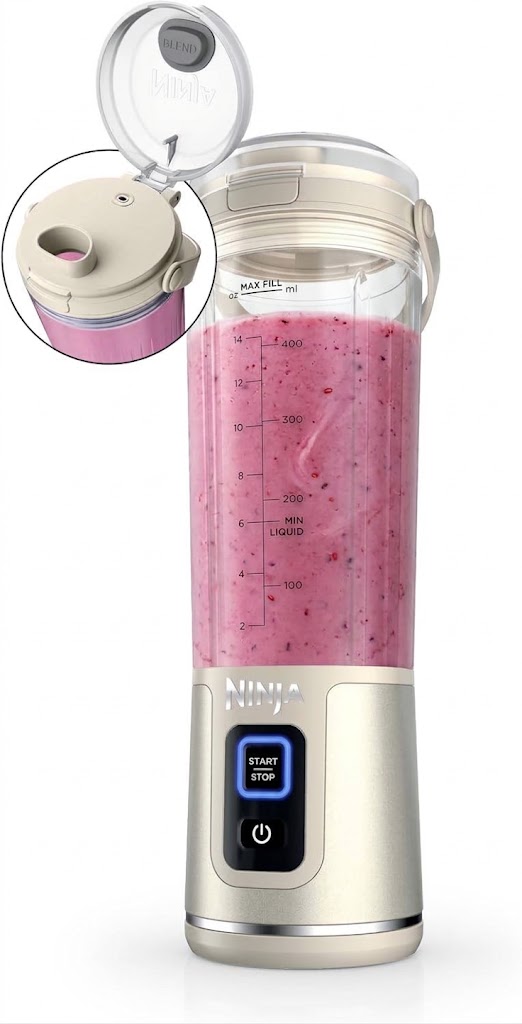
Ninja Blast Portable Blender, Cordless,18oz Vessel, Vanilla Bean
Check Price on AmazonRemember that blending does not cook fruit. If you are avoiding uncooked berries for food-safety reasons, choose fruit that has been cooked as recommended and then cooled before blending.
Baking
Many recipes allow frozen fruit to go straight into batter, but follow the recipe because excess juice can change the result. Tossing fruit with a small portion of the recipe’s flour may help distribute it and limit sinking, but it does not remove extra moisture. If the fruit has large ice crystals, shake off loose ice before measuring.
Frozen fruit can cool the batter and extend baking time. Check the center for doneness instead of relying only on the recipe’s stated time. For a pie or crisp, expect more liquid than you would get from fresh fruit and use a recipe designed to manage it.
Oatmeal, sauces, and warm dishes
You can stir frozen fruit into hot oatmeal or simmer it in a saucepan for a quick sauce. Heat it until it reaches the texture and temperature the recipe requires. If you are cooking berries to address a food-safety concern, make sure you follow the applicable thorough-heating advice rather than stopping when the fruit merely looks softened.
Fruit bowls and toppings
For a bowl or topping where you want distinct pieces, thaw only the amount you plan to serve. Drain excess juice if you want to keep yogurt, cereal, or whipped toppings from becoming watery. You can also serve the fruit partly thawed for a colder, firmer texture.
How to store thawed fruit and handle leftovers
Put thawed fruit in a clean, covered container in the refrigerator. Keep it separate from raw meat, seafood, and anything that could drip onto it. Use it promptly; the fruit’s texture usually declines after thawing, even when it has been handled safely.
Thawed fruit can often be refrozen if it stayed refrigerator-cold, although the quality may suffer. Ice crystals damage fruit cells, so refrozen pieces are often softer and release more juice when thawed again. They may still work well in smoothies, baking, or sauces.
Do not refreeze fruit that has been left warm for too long or whose handling history is uncertain. If the package gives a specific instruction after thawing, follow that instruction. Keep the freezer door closed as much as possible and store fruit in a well-sealed package to limit freezer burn, which dries the surface and weakens flavor.
Common mistakes to avoid
- Assuming frozen means sterile. Freezing preserves food; it does not reliably remove every harmful germ.
- Assuming thawed means safer. Thawing changes texture, not the fruit’s food-safety status.
- Leaving fruit on the counter to thaw. Use the refrigerator or a controlled quick method instead.
- Rinsing as a substitute for cooking. Rinsing may remove some surface dirt, but it cannot guarantee that harmful germs are gone.
- Ignoring the label. Preparation instructions and recall notices take priority over general advice.
- Thawing the whole bag for one serving. Portion out what you need first to reduce waste and repeated handling.
- Expecting thawed fruit to stay firm. Freezing breaks down the fruit’s structure, so softness and juice are normal.
Choosing frozen fruit and keeping its quality
Pick packages that are intact and still frozen solid. If pieces have formed one large clump, the fruit may have partly thawed and refrozen, or it may have been compressed. Clumping is not proof of a safety problem, but it can signal poorer texture and make it harder to portion.
At home, put fruit in the freezer promptly and keep the package sealed between uses. For a large bag, divide the fruit into meal-sized portions in clean freezer-safe containers or bags. This makes it easier to take only what you need and helps limit exposure to warm air and moisture.
Use older packages first, and follow any date or storage advice on the label. Freezer burn is mainly a quality issue: it can leave dry, pale patches and a stale flavor. Trim or discard badly affected pieces if their texture is unpleasant, but do not confuse freezer burn with a sign that the fruit is contaminated.
Quick decision guide
If you are still unsure, match the preparation to the meal. For a smoothie or a cooked recipe, frozen fruit is often the easiest option. For cereal or a fruit bowl, thaw it in the refrigerator until it is comfortable to eat, then drain it if needed.
If the fruit is a berry product that will be eaten uncooked, check the package and current recall information, and consider who will be eating it. For someone at higher risk, or when official guidance calls for it, cook the fruit thoroughly before serving. In every case, clean utensils, cold storage, and careful handling matter more than whether you thaw the fruit first.
Should frozen fruit be thawed before eating? Not usually. Eat it frozen for smoothies or a cold snack, or thaw it in the refrigerator when you want a softer texture. Thawing changes texture, but it does not make fruit safer.
Check the package and recall notices, especially for berries served uncooked. For your next serving, portion out only what you need and thaw it in the refrigerator—or cook it thoroughly if food-safety guidance calls for cooking.
