can you juice fruit that was frozen? Here’s how
Yes, can you juice fruit that was frozen? You can, but thaw it first; hard, frozen pieces can clog or strain many juicers and may damage their parts. Once thawed, the fruit can go through a juicer much like fresh produce.
How well it works depends on the fruit, the juicer, and how much liquid drains during thawing. This guide explains safe thawing, juicer compatibility, preparation, and ways to handle pulp or low juice yield. You will also find practical alternatives for fruit that turns too soft to juice cleanly.
Can you juice fruit that was frozen? Thaw it first
Yes, but do not put fruit into a standard juicer while it is still frozen solid. Frozen pieces are hard and can block the feed chute, strain the motor, or cause uneven pressure on the auger and other parts. Thawed fruit is softer and easier for most machines to process.
Freezing also changes fruit’s texture. Ice crystals form inside the fruit and break some of its cell structure. After thawing, the fruit often feels softer and releases more liquid, which can help with extraction. It may also produce mushier pulp or a less clear juice than fresh fruit.
There is an important difference between juicing thawed fruit and blending frozen fruit. A juicer separates liquid from much of the pulp. A blender breaks up the whole fruit, leaving its fiber in the drink. If the fruit is still frozen, a blender designed for frozen ingredients is usually a better choice than a juicer.
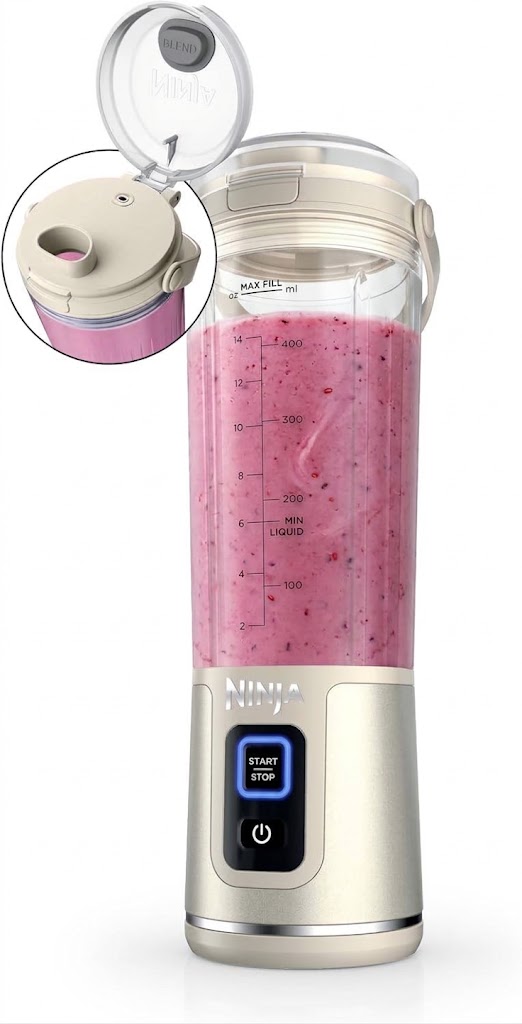
Ninja Blast Portable Blender, Cordless,18oz Vessel, Vanilla Bean
Check Price on AmazonCheck your appliance manual before processing thawed fruit. Some machines handle soft fruit better than others, and manufacturer instructions take priority. If the manual says not to process soft or thawed fruit, use a different method rather than forcing the machine.
How different juicers handle thawed fruit
Thawed fruit can be very soft, especially berries, mango, and stone fruit. Some juicers handle it well, while others press it into a thick mass that slows extraction. The machine type offers a useful starting point, but the fruit’s texture and your model’s instructions matter too.
| Juicer or method | How it handles thawed fruit | Best for |
|---|---|---|
| Masticating juicer | Uses a slow-moving auger to crush and press ingredients. Soft fruit may work, but it can still clog a fine screen or make thick pulp. | Small batches of thawed fruit when the manual permits soft ingredients. |
| Centrifugal juicer | Spins ingredients against a mesh basket. Very soft thawed fruit may smear or drain poorly through the basket. | Firmer fruit, or a small test batch mixed with firmer produce. |
| Citrus press | Presses cut citrus halves; it is not designed to process loose berries or mixed fruit. | Thawed citrus halves if the press is made for that use. |
| Blender and strainer | Blends the fruit into a puree, which you can strain if you want less pulp. | Very soft fruit, small amounts, or fruit that does not feed well into a juicer. |
This table describes common designs, not a promise that every model will behave the same way. A juicer’s screen size, chute, motor, and instructions can affect results. When uncertain, begin with a small amount rather than filling the chute.
How to thaw frozen fruit for juicing
Thawing slowly in the refrigerator gives you the most control. Put the fruit in a clean, covered container and let it thaw until it is no longer hard. Keep the container on a shelf, not where it could drip onto ready-to-eat foods.
Fruit can also be thawed in a sealed bag placed in cold water if you need it sooner. Replace the water if it becomes warm, and process the fruit promptly once it is thawed. Avoid leaving fruit at room temperature for an extended period; warm conditions give bacteria more opportunity to grow.
For a small portion, a microwave’s defrost setting may be convenient, but it can heat some areas while others remain frozen. Use a microwave-safe dish, pause to stir or rearrange the fruit, and check it often. If any areas become hot, cool the fruit before juicing.
- Choose the amount. Thaw only what you expect to use. A small batch is easier to process and leaves less juice to store.
- Use a clean container. Place the fruit in a covered food-safe container to catch liquid and protect it from contamination.
- Thaw under cool conditions. Refrigerate it, or use a quicker safe method such as cold water for sealed fruit.
- Drain or save the liquid. The liquid released during thawing contains juice and flavor. Pour it into the juicer if appropriate, or add it to the finished drink.
- Check for hard centers. Break apart large clumps gently. Do not feed icy chunks into a machine that is intended for soft produce.
- Process a test portion. Add a few pieces at a time and watch for slow drainage, loud strain, or a blockage.
Thawing times vary with the fruit, package size, and refrigerator temperature, so check texture rather than relying on a fixed time. The pieces should be soft enough to separate and feed without force. Do not press fruit down with a hand or utensil while the machine is running unless the manual specifically provides a safe method.
Prepare the fruit before feeding it into a machine
Take a moment to inspect the fruit. Remove stems, leaves, damaged pieces, and any debris. Wash fruit if it needs rinsing, then drain it well. If it was frozen after washing and packed cleanly, follow the package directions and your normal food-handling practices.
Remove pits, stones, and hard seeds before juicing. Cherries, peaches, plums, and similar fruit can contain pits that should not go into the machine. Peel thick skins when your juicer manual advises it, or when the peel is tough enough to interfere with the texture. Citrus peel can taste bitter, so most recipes use peeled segments or juice from a press.
Cut large pieces into sizes that fit the feed chute. Smaller pieces can help avoid jams, but they should not be so tiny that they are difficult to guide safely. If pieces have frozen together, separate them gently after thawing. Never use a knife to pry fruit out of an operating appliance.
Mixing soft fruit with a firmer ingredient can improve feeding in some juicers. For example, a piece of apple or carrot may help move a small amount of berry pulp through a machine designed for firmer produce. Use combinations allowed by the manual, and do not treat a firmer ingredient as a way to force a clogged machine.
What juice to expect from previously frozen fruit
Do not expect every fruit to give the same amount of liquid. Juicy berries may release plenty of liquid after thawing, while bananas and some mangoes make a thick puree rather than a clear drink. Fruit variety, ripeness, how it was cut, and how long it has been frozen all affect the result.
Thawing can make juice look cloudier because more pulp and fine particles break down. The drink may also separate as it sits. Stir it before serving if you like the texture, or strain it through a fine sieve for a smoother result. A sieve removes some pulp but will not make every fruit juice completely clear.
Flavor can change too. Freezing and thawing may soften the fruit’s fresh texture and make its taste seem less bright. A squeeze of lemon or lime can add tartness, while fresh mint or a small amount of fresh juice can lift the flavor. Add extras gradually so they complement the fruit rather than cover it up.
Try a small sample before making a large batch. If the drink is too thick, stir in a little cold water or another juice. If it tastes flat, a small amount of citrus may help. If it is very tart, combine it with a sweeter fruit or serve it over ice. Adjustments are easier before you process more fruit.
When a blender and strainer work better
Some thawed fruit is simply too soft for a juicer to separate cleanly. Berries, ripe mango, and peaches can become a thick, slippery mass. In that case, blend the fruit with a small amount of water, then pour the mixture through a fine-mesh strainer if you want less pulp.

Framendino, 16 Pack Artificial Chicken Nuggets Fake Fried Food Models Props for Kitchen Decor
Check Price on AmazonUse a spoon or spatula to help the puree pass through the strainer. Pressing hard extracts more liquid but also pushes more pulp through, so stop when the texture is right for you. If you leave the mixture unstrained, you keep more of the fruit’s fiber and get a thicker drink closer to a smoothie.
A blender is also the more practical option when you want to use fruit while it is still frozen. Add small portions and enough liquid to help the blades move, following the blender’s instructions for frozen ingredients. Do not add solid frozen fruit to a blender that is not rated for it; blades or containers can be damaged.
Choose based on what you want in the glass. A juicer gives you a drink with much of the pulp removed. A blender keeps the whole fruit in the mixture. Neither result is automatically better; the right choice depends on the texture and fiber you want.
Common mistakes that cause clogs or poor results
- Feeding fruit while it is still icy: Hard chunks can block the chute and put unnecessary strain on the machine. Let the fruit thaw enough to separate easily.
- Adding a large load at once: Soft fruit can compact in the feed tube. Process small portions and give the machine time to clear each one.
- Forcing fruit through: Pushing hard can pack pulp against the screen. Use only the supplied pusher as directed, and stop if the machine slows or makes an unusual sound.
- Expecting banana to behave like an orange: Banana is starchy and thick, so a juicer may produce little free liquid. Blend it into a smoothie instead.
- Discarding the thawing liquid automatically: That liquid can contain flavor and juice. Use it if it has been collected safely and looks and smells normal.
- Ignoring pits or tough pieces: Hard parts can harm equipment or make an unpleasant drink. Remove them before processing.
- Overfilling the pulp bin: A full bin can affect drainage and make cleanup harder. Pause to empty it as needed.
If the juicer clogs, turn it off and unplug it before clearing anything. Follow the manufacturer’s instructions for disassembly and cleaning. Do not reach into a powered appliance or use a utensil near moving parts.
Food safety and storing the finished juice
Frozen fruit should be handled like other perishable food after thawing. Keep it cold while it waits, use clean hands and equipment, and avoid cross-contamination from raw foods. Discard fruit that has an unusual odor, visible mold, or other clear signs of spoilage.
Juicing does not make fruit juice shelf-stable. Freshly made juice can support the growth of harmful germs, and its safety depends on clean handling and cold storage. Refrigerate it promptly in a clean, covered container and drink it as soon as practical. Do not leave it sitting out for a long time.
If you thawed more fruit than needed, do not assume it can be refrozen without a quality change. Whether refreezing is appropriate depends on how the fruit was thawed and handled. Follow the package directions and food-safety guidance for that product; avoid refreezing fruit that has been kept warm or left out too long.
For the best taste, make only the amount you plan to drink soon. Separation is normal, especially with blended or pulpy juice, and a quick stir may bring it back together. If the stored juice changes in smell, appearance, or taste, discard it rather than sampling it to test safety.
Which frozen fruits are easiest to juice?
Soft, juicy fruits tend to release liquid readily after thawing, though they can create more pulp. Strawberries, raspberries, blueberries, and blackberries are common choices for a small test batch. If your machine struggles with them, blend and strain instead.
Thawed citrus segments can be juiced, but a citrus press or hand reamer may be simpler than feeding them into a general-purpose juicer. Remove thick peel and seeds as needed. Apples and pears can work in many juicers, but very soft or overripe pieces may clog more easily than firm ones.
Melon can release plenty of liquid, but its soft flesh may produce a pulpy drink. Peaches, plums, and cherries need pits removed first. Mango and banana are often better blended because their thick texture makes them poor choices for extracting a clear juice.
Pre-frozen fruit mixes may contain several textures and sizes. Separate the pieces before thawing if possible, then process similar fruits together. This makes it easier to adjust the method and keep one very soft fruit from slowing the whole batch.
How to get a better result with a small test batch
A small trial helps you learn how your particular fruit and appliance behave without wasting a full bag. Start with a handful of thawed pieces, add them gradually, and note whether the juice drains freely. If the pulp builds up quickly or the motor sounds strained, stop and switch to a blender-and-strainer method.
Keep the first batch simple. One fruit makes it easier to tell whether a low yield comes from the fruit itself or from the machine. Once you know the texture, combine fruits in modest amounts. You can add liquid or firmer produce later, but you cannot easily remove pulp once it has been blended in.
Clean the machine soon after use. Fruit sugars and fine pulp can dry onto screens and narrow openings, making them harder to wash off. Disassemble only as directed, rinse removable parts, and use the brush supplied with the appliance where needed. Let parts dry fully before storing them.
The practical rule is straightforward: thaw first, feed slowly, and stop if the machine struggles. If the fruit is too soft or the juice is too pulpy for your taste, blending and straining gives you more control with less risk of clogging a juicer.
Yes, can you juice fruit that was frozen? Thaw it first, remove pits and tough pieces, and feed small amounts into a juicer that permits soft fruit. Expect a softer texture and possibly more pulp than you would get from fresh fruit.
For your next batch, thaw a small portion in the refrigerator and test how your machine handles it. If it clogs or produces a thick puree, blend the fruit and strain it to get the texture you prefer.